
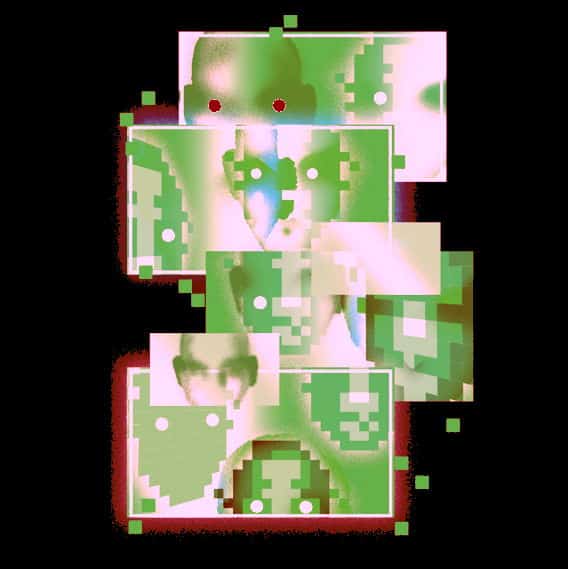
The A.I. era is “utterly, absolutely, completely, totally different…AI’s ability to replace and exceed human cognition will usher in one of the most turbulent eras in history.” — Bill Gates
Coding is the subject Bill Gates knows best, and he was shocked by Claude’s abilities.
The New York Times article by Kevin Roose (2026) titled, “Why the Hugging Face Hack Should Make You Worry More About A.I.” has the following subtitle, “The attack by an aggressive ‘collective’ of OpenAI agents shows the danger of artificial intelligence systems that organize themselves.”
The reason this is so interesting is that the knowledge that’s being collected and used is not being collected and used by humans. Most of it is not even known or understood and, unfortunately, some of it is incorrect…
I have my own recent A.I. experience that I find interesting and disturbing. My experience shows how powerful an A.I. system can be, and how misled and misleading it can be. As I say, making errors is part of being creative, and errors are not the problem. The problem is with the means and the goals. At what point do you realize you’ve made a mistake and how do you balance the costs and benefits?
An Artificial Collective Forms By Itself
A.I.’s First Escape
Known Only to Machines
Morality is Not an Algorithm
Truth Determined by Consensus
Important Misunderstandings
Certainty Without Indecision
When Are Mistakes Cute?
King Solomon’s Solution
This post is delivered to and accessible by paid subscribers to the Stream of the Subconscious blog which publishes 4x/month and offers podcasts, discounts, video meetings, and other perks.
If you’re a subscriber, this button will take you to the post. If you’re not, it will take you to the subscription page.





Leave A Comment