
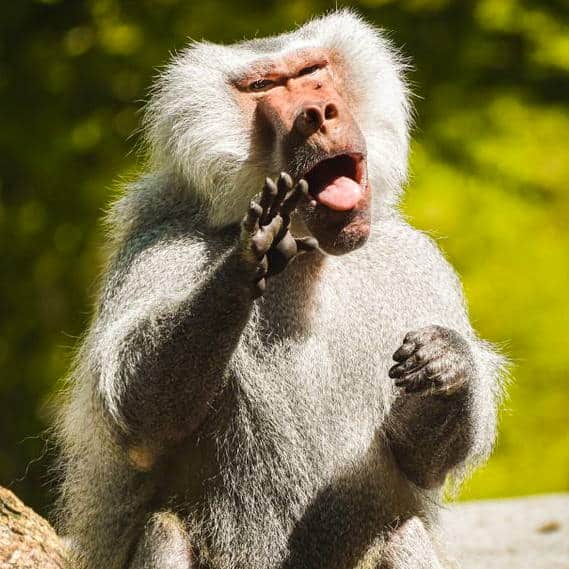
“Music is the universal language of mankind.”
— Henry Wadsworth Longfellow
All human considerations presume consciousness. We consider it the defining aspect of our existence. Some injured people live after losing consciousness, but if they never regain consciousness, though they may not meet official criteria, they’re effectively dead.
Language is a defining feature of consciousness, and we take this for granted. Without language we can hardly operate as humans. Our ability to use language is unparalleled among other animals. A conscious human without language is almost a non sequitur.
It’s worth noting that some other animals vocalize in ways that some argue to be speech. At least they make vocal utterances that are similar to human words either in sound or purpose. The debate about the information in the vocalizations of cetaceans continues, but it is of a phonic nature so non-human that we have great difficulty making any sense of it.
“This first precursor stage of group-affective vocalizations … would be a ritualized territorial chorus of emotional communication. It would be neither speech-like nor music-like in its acoustic features, but instead something similar, functionally and structurally, to a non-human form of group chorusing, like a wolf chorus or a pant hoot chorus in chimpanzees.” — Steven Brown (2017)
Language
Lyricism
Are Language and Dance Connected?
Everyone Continues to Ignore Altered States
Indigenous Music and Altered States
Stop Ignoring Your Dreams
Sound Can Guide Your Emotions
Music as a Psychedelic
Do Dreams Have Rhythm?
This post is delivered to and accessible by paid subscribers to the Stream of the Subconscious blog which publishes 4x/month and offers podcasts, discounts, video meetings, and other perks.
If you’re a subscriber, this button will take you to the post. If you’re not, it will take you to the subscription page.




Leave A Comment